

Executive summary
Germany’s fiscal expansion has entered the implementation phase, shifting the focus from policy reform to project delivery. Following the creation of a EUR 500 billion infrastructure and climate fund and new fiscal rules enabling higher defence spending, Germany plans record public investment of EUR 128.7 billion in 2026. Investment is accelerating across transport, digitalisation, energy, healthcare, education, housing, and defence, although progress varies by sector and project maturity. Transport remains the largest investment area, while digital infrastructure, semiconductors, energy transition projects, and hospital modernisation are also receiving significant funding.
To speed delivery, Germany has introduced procurement and planning reforms that simplify tendering, increase digitalisation, and shorten approval processes. For Swedish companies, opportunities are emerging in transport, energy, digital infrastructure, defence, construction, and engineering as projects increasingly move from funding allocation to procurement.
Throughout 2025, our article series, Germany’s investment push: opportunities for Swedish companies, followed Germany’s landmark fiscal policy shift as it moved from political negotiations to constitutional reform. One year later, the debate has entered a new phase. With the fiscal framework established and funding mechanisms in place, the focus has shifted from policy announcements to implementation. The key question is no longer whether Germany will invest, but how quickly these commitments can be translated into projects and long-term economic impact.
The scale of the programme remains without recent precedent. The constitutional amendments adopted in March 2025 introduced a new fiscal framework designed to unlock long-term public investment while strengthening Germany’s defence capabilities. Two measures are particularly significant. First, a EUR 500 billion special fund was established to finance additional investments in infrastructure and climate neutrality over a 12-year period (Figure 1). Second, the reform of Germany’s constitutional debt brake exempts defence expenditure above 1 per cent of GDP from borrowing limits, enabling spending to increase from 2.1 per cent of GDP in 2024 to approximately 3.5 per cent by 2029.
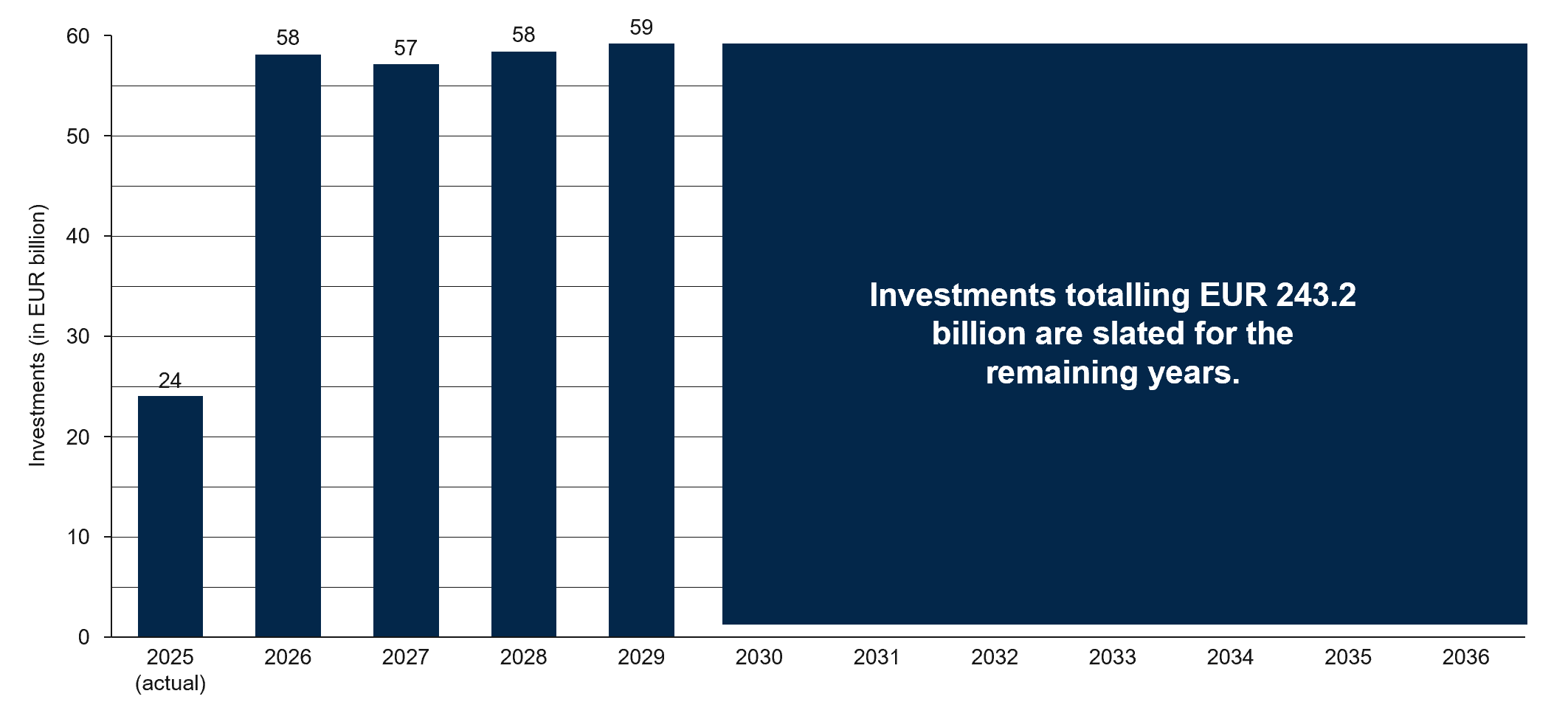
Figure 1: The special fund over the next 12 years
Source: Federal Ministry of Finance
Together, these measures represent a structural shift in Germany's fiscal policy rather than a short-term economic stimulus. The government’s investment agenda is driven by three strategic priorities:
- Modernising Germany’s infrastructure and public capital stock following years of underinvestment
- Strengthening Germany's competitiveness and attractiveness as a business and investment destination
- Using public investment and structural reforms to mobilise private capital and support long-term economic growth
This article examines how implementation is progressing, where investment is being channelled, and how reforms to public procurement and planning procedures are intended to accelerate project delivery. It also examines how Swedish companies can position themselves to engage with opportunities emerging from Germany’s investment agenda.
From allocation to implementation: Germany’s 2025–2026 Special Fund for Infrastructure and Climate Neutrality investment plan
Germany’s Special Fund for Infrastructure and Climate Neutrality (SVIK) is governed by an annual economic plan, which allocates funding across defined budget lines and federal ministries. Comparing the 2025 and 2026 plans (Figure 2) provides an early indication of where investment is scaling up and where projects are beginning to move from planning to delivery.
In 2025, public investment reached a total of EUR 115.7 billion. EUR 37.2 billion was made available from SVIK for investment, of which EUR 24 billion was disbursed by year-end. The shortfall reflected the late establishment of the fund’s legal and budgetary framework, delays in transfers to the federal states, and lengthy planning and approval processes in areas such as broadband expansion and rail signalling.
In 2026, Germany is scaling up public investment to a record EUR 128.7 billion across the federal budget, the Climate and Transformation Fund (KTF), and SVIK. SVIK accounts for EUR 58.1 billion, with investment levels expected to remain broadly stable through 2029 (Figure 1). As implementation accelerates, progress varies significantly across sectors depending on project maturity, planning and permitting requirements, and procurement timelines. For companies looking to enter the German market, this creates opportunities across areas where investment needs are high and delivery capacity is critical, particularly in transport infrastructure, digitalisation, energy, healthcare, and education.
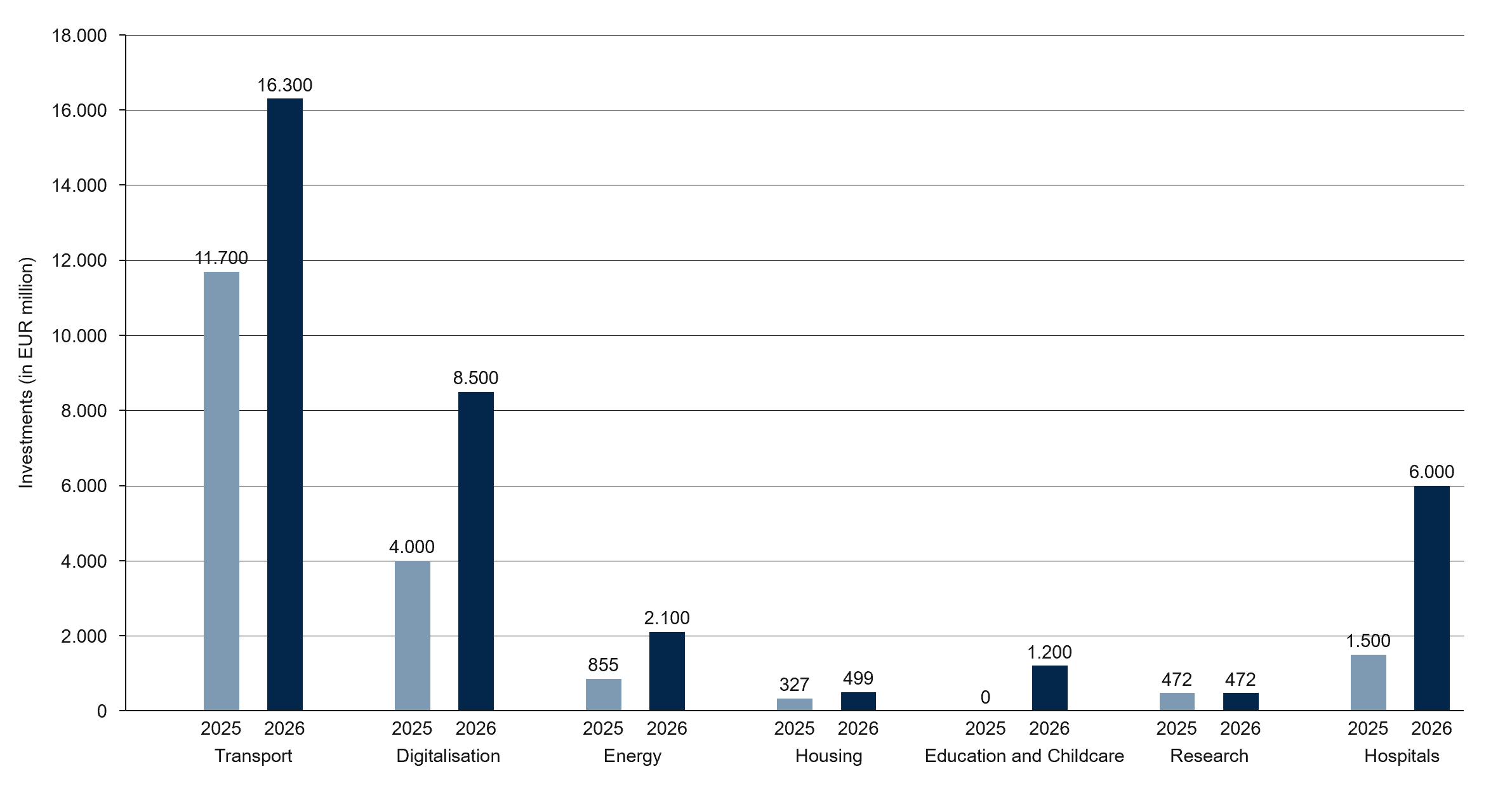
Figure 2: Germany’s infrastructure investments through the special fund by sector
Source: Federal Ministry of Finance; Business Sweden analysis
Transport remains the largest investment area, creating significant opportunities across rail and road infrastructure. In 2025, EUR 11.7 billion was allocated through SVIK for rail maintenance, motorway bridge modernisation, and the rollout of the European Rail Traffic Management System (ERTMS). In 2026, rail maintenance funding is expected to increase to EUR 16.3 billion, with a further EUR 46.6 billion committed for the following years. An additional EUR 169 billion has been earmarked for federal transport infrastructure through 2029. Although implementation continues to be shaped by lengthy planning and approval procedures, project delivery is beginning to accelerate. The Hamburg–Berlin rail corridor reopened in June 2026 following a ten-month, EUR 2.5 billion modernisation programme monitored under SVIK. At the same time, new motorway projects, such as the A20 coastal motorway in Lower Saxony, are moving into construction phases. The 2026 plan also allocates EUR 2.5 billion to rail signalling, supported by a funding mechanism covering up to 90 per cent of eligible costs for train conversions.
Digital investment is accelerating across connectivity, public services, and semiconductors. In 2025, EUR 3 billion was allocated primarily to broadband expansion, supporting around 200,000 subsidised connections during the first year of implementation against a national target of 4.7 million by 2030. In January 2026, a further EUR 1.8 billion in federal funding was approved for projects ranging from rural fibre deployment to a submarine cable connection to the island of Spiekeroog. The 2026 plan combines EUR 2.3 billion for nationwide broadband expansion with EUR 131 million for the National Digital Identity Wallet, EUR 194 million for modernising public registers, and EUR 2.48 billion for semiconductor initiatives.
Energy investment is shifting towards decarbonisation and infrastructure modernisation. The 2025 allocation of EUR 855 million focused primarily on energy security measures, including liquefied natural gas (LNG) terminals and the refinery in Schwedt. In 2026, energy-related SVIK allocations are set to increase to EUR 2.1 billion, with EUR 1.4 billion directed towards the construction and conversion of climate-neutral heating networks and a further EUR 5.9 billion committed for subsequent years. Initial projects are moving forward, including a large wastewater heat pump in Tübingen, backed by EUR 23 million in federal funding and designed to supply more than 11,500 households. Beyond heating, investments in electricity grids, hydrogen, and industrial transformation are financed separately through the Climate and Transformation Fund (KTF), including around EUR 3 billion for the hydrogen ramp-up in 2026. As many projects remain in early planning and permitting stages, implementation is expected to accelerate gradually over the coming years.
Housing investment is gaining early market momentum. Within the special fund, the housing allocation rises to EUR 498.6 million in 2026 from EUR 327 million in 2025, with the largest share directed towards climate-friendly new construction. Support is channelled through established Credit Institute for Reconstruction (KfW) programmes rather than individual flagship projects, enabling investment across a broad range of smaller-scale construction and renovation projects.
Further public investment is expanding across social infrastructure and advanced technologies. Compared with 2025, the 2026 SVIK plan introduces significant funding for childcare and school infrastructure, hospital modernisation, and research facilities. Research investments include strategic technology initiatives such as an AI gigafactory and the “1,000 Qubits – 100 Applications” quantum computing programme. The EUR 6 billion allocated to hospital infrastructure through SVIK was fully disbursed by April 2026. This included EUR 45 million in federal funding for the restructuring and merger of two hospital sites in North Rhine-Westphalia.
Defence is following a separate and faster investment track, driven by Germany’s push to strengthen military capabilities. The pace of defence procurement is reflected in parliamentary approvals for major contracts, which increased from 55 in 2023 to 103 in 2025, with a similar volume expected in 2026. Recent approvals during 2025 and 2026 have focused on ammunition, armoured vehicles, and digital communications, including the rollout of digital radio systems across more than 10,000 army vehicles.
From funding to contracts: navigating Germany’s procurement landscape
Germany’s investment programme will create commercial opportunities only as funding moves from planning to procurement and contract award. For Swedish companies, the key question is therefore not only how much Germany is investing, but whether faster procedures make projects more accessible and predictable. Two reforms introduced in 2026 target different stages of this process: one simplifies public procurement, while the other accelerates planning and approval procedures.
The Procurement Acceleration Act, in force since 1 July 2026, reduces documentation requirements, advances digital procedures, and raises the federal threshold for direct awards. A narrowly defined exception also allows selected projects financed through the infrastructure special fund to be awarded without the usual division into smaller lots. While the reform is intended to improve access for SMEs and start-ups, larger contract packages may require smaller suppliers to participate through consortia, subcontracting arrangements, or partnerships with established German bidders.
The Infrastructure Future Act targets an earlier stage of project delivery by accelerating planning and approval procedures. It prioritises defined transport projects, streamlines overlapping assessments, and introduces fully digital planning procedures. The Federal Ministry of Transport estimates that digital tools, including Building Information Modelling (BIM) and AI-supported processing of objections, could shorten individual procedures by up to 30 per cent. The effect will vary by project, but the reform is intended to bring infrastructure projects to procurement readiness more quickly.
The market remains open to Swedish suppliers under the same EU procurement principles of competition, transparency, and equal treatment that apply to domestic and other EU-based bidders. Contracts exceeding the relevant EU thresholds (Figure 3) are published through Tenders Electronic Daily (TED). Lower-value opportunities are advertised through federal, state, municipal, and sector-specific channels. Under the new law, federal contracts worth up to EUR 50,000 may be awarded directly without a formal competitive procedure or public notice, making early visibility among relevant contracting authorities increasingly important.
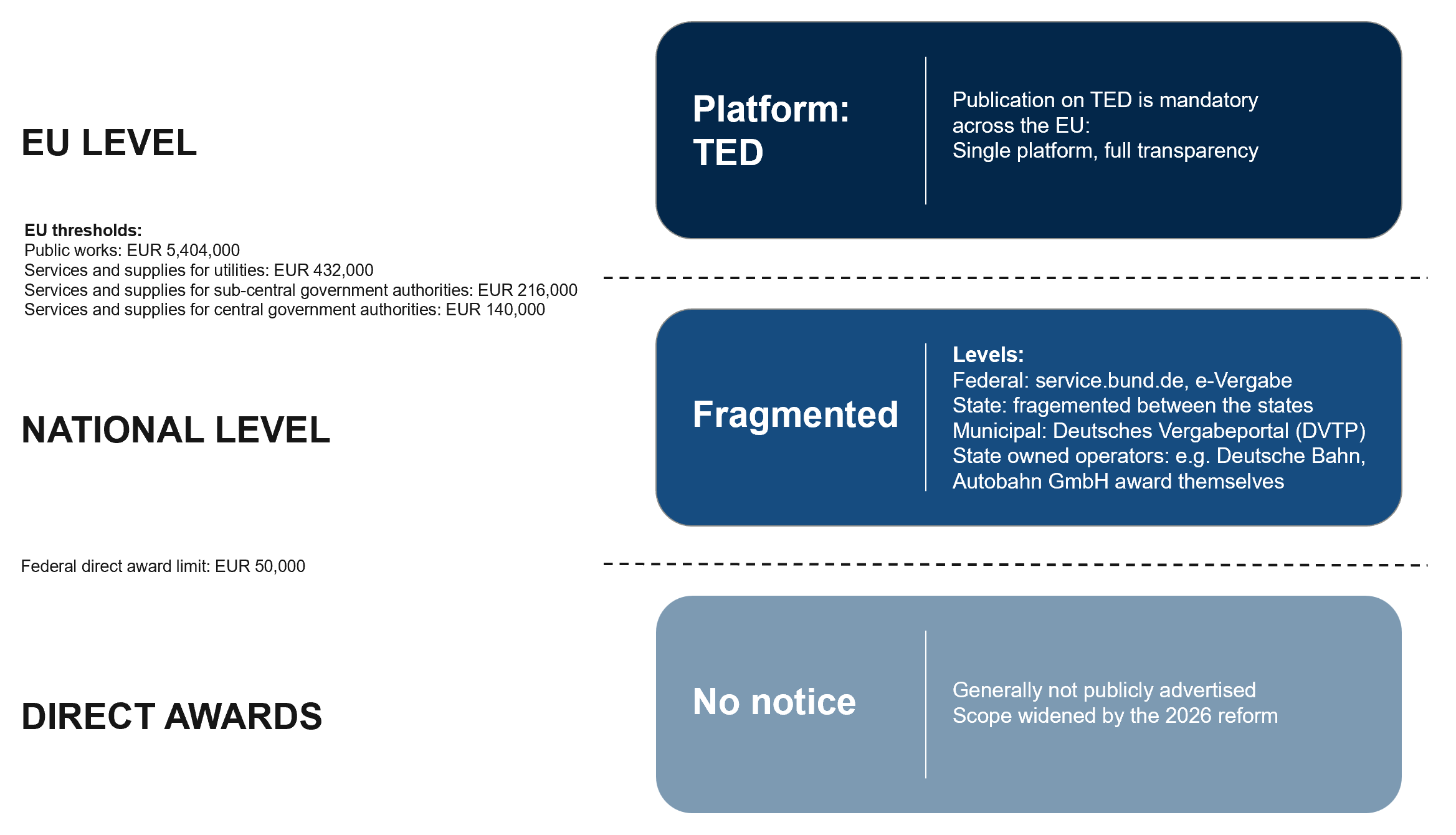
Figure 3: Where German public tenders are published
Source: European Union; Federal Ministry for Economic Affairs and Energy; Business Sweden analysis.
Swedish companies should therefore combine automated monitoring across relevant portals with targeted tracking of priority contracting authorities and infrastructure operators. Early participation in supplier dialogues and market consultations can help companies understand technical requirements before tenders are issued, while partnerships can provide local references, delivery capacity, and access to larger contract packages. As the use of direct awards expands at federal level, visibility among relevant buyers will become increasingly important, particularly for smaller and innovative suppliers.
Key opportunities for Swedish companies
The allocation of funding will determine which sectors capture the strongest near-term opportunities. With construction at the centre of the programme, demand is expected to rise across building materials and machinery, construction services, and engineering and planning expertise. Transport is set to lead, driven by the scale of Germany’s infrastructure renewal needs. Digitalisation follows closely, creating opportunities across hardware, software, and fibre-network deployment.
The opportunity extends beyond the current allocation cycle. The German Institute for Economic Research expects federal investment to continue rising in 2027 and beyond, pointing to a sustained infrastructure investment cycle rather than a single peak year.
This investment profile aligns closely with established Swedish capabilities. The most relevant sector-specific opportunities, explored throughout this series, are summarised below.
The most substantial funding is directed towards rail and transport, where Swedish expertise in signalling and rolling stock aligns with a marked increase in federal track investment, and towards electricity and grids, where decarbonisation and offshore generation correspond closely to Swedish strengths. Digital infrastructure is of comparable relevance: as cybersecurity and digital sovereignty move to the centre of public procurement, the balance shifts towards trusted European suppliers. Defence is the most rapidly developing area, with procurement expanding and the market opening to new European entrants. Housing and heating complete the picture, supported by a renewed rise in renovation and heat-pump demand. All these opportunities are underpinned by the EUR 500 billion fiscal reform set out at the outset of the series.
Get in touch
Business Sweden supports companies entering Germany’s infrastructure and climate sectors. For advice on market entry, funding frameworks, or competitive bidding, please contact Johan Holmlund.
References
Bundestag (2026), Etat 2026: Wirtschaftsplan des Infrastruktur-Sondervermögens, retrieved on 12 August 2026 from https://www.bundestag.de/presse/hib/kurzmeldungen-1111620
European Commission (2026), Economic forecast for Germany, retrieved on 21 July 2026 from https://economy-finance.ec.europa.eu/economic-surveillance-eu-member-states/country-pages-including-country-reports/germany/economic-forecast-germany_en
European Union (n.d.), EU Tenders, retrieved on 4 August 2026 from https://ted.europa.eu/en/simap/european-public-procurement
Federal Government (2026), Infrastruktur-Zukunftsgesetz beschleunigt Bau neuer Schienen, Straßen und Brücken, retrieved on 12 August 2026 from https://www.bundesregierung.de/breg-de/aktuelles/infrastruktur-zukunftsgesetz-2399998
Federal Ministry of Defence (2026), Beschaffung weiterer Loitering Munition-Systeme genehmigt, retrieved on 12 August 2026 from https://www.bmvg.de/de/aktuelles/loitering-munition-bundestag-bewilligt-beschaffungsprojekte-6089594
Federal Ministry of Defence (2026), Die 25-Millionen-Euro-Vorlagen, retrieved on 12 August 2026 from https://www.bmvg.de/de/beschaffung-25-millionen-euro-vorlagen
Federal Ministry of Defence (2026), Haushaltsausschuss bewilligt vier Beschaffungsgroßprojekte, retrieved on 12 August 2026 from https://www.bmvg.de/de/presse/haushaltsausschuss-bewilligt-vier-beschaffungsgrossprojekte-6116406
Federal Ministry for Economic Affairs and Energy (2025), Einfacher, schneller und flexibler – Bundesregierung beschließt Entwurf für Vergabebeschleunigungsgesetz, retrieved on 4 August 2026 from https://www.bundeswirtschaftsministerium.de/Redaktion/DE/Pressemitteilungen/2025/08/20250806-bundesregierung-beschliesst-entwurf-fuer-vergabebeschleunigungsgesetz.html
Federal Ministry for Economic Affairs and Energy (2026), Im Fokus: Jahreswirtschaftsbericht 2026 – Investitionen und Reformen für Wachstum und Resilienz, retrieved on 27 July 2026 from https://www.bundeswirtschaftsministerium.de/Redaktion/DE/Schlaglichter-der-Wirtschaftspolitik/2026/02/02-jahreswirtschaftsbericht-2026.html
Federal Ministry of Finance (2026), Ensuring the transparency of investments from the Special Fund for Infrastructure and Climate Neutrality: the German government publishes its first monitoring report and a dashboard with up-to-date statistics, retrieved on 27 July 2026 from https://www.bundesfinanzministerium.de/Content/EN/Standardartikel/Topics/Public-Finances/SVIK/first-monitoring-report-and-dashboard.html
Federal Ministry of Finance (2026), Dashboard Bundessäule, retrieved on 27 July 2026 from https://www.bundeshaushalt.de/DE/SVIK/Bundessaeule/dashboard.html?saeule=bund&ebene=1
Federal Ministry of Finance (2026), Dashboard Landessäule, retrieved on 27 July 2026 from https://www.bundeshaushalt.de/DE/SVIK/Laendersaeule/dashboard.html?saeule=laender&ebene=1
Federal Ministry of Finance (2026), Monitoringbericht zum Sondervermögen für Infrastruktur und Klimaneutralität über das Jahr 2025, retrieved on 29 July 2026 from https://www.bundesfinanzministerium.de/Content/DE/Downloads/Broschueren_Bestellservice/svik-monitoringbericht-2025.html
Federal Ministry for Transport (2026), Infopapier zum Infrastruktur-Zukunftsgesetz (InfZuG), retrieved on 12 August 2026 from https://www.bmv.de/SharedDocs/DE/Artikel/StV/Strassenverkehr/infopapier-infrastruktur-zukunftsgesetz.html
German Chamber of Commerce and Industry (2026), Bund plant für 2026 mit Ausgaben von 525 Milliarden Euro, retrieved on 12 August 2026 from https://www.dihk.de/de/newsroom/bund-plant-fuer-2026-mit-ausgaben-von-525-milliarden-euro-156322
German Institute for Economic Research (2025), Sondervermögen für Infrastruktur: 500-Milliarden-Euro-Investitionspaket würde deutsche Wirtschaft aus der Krise holen, retrieved on 3 August 2026 from https://www.diw.de/de/diw_01.c.940089.de/publikationen/diw_aktuell/2025_0111/sondervermoegen_fuer_infrastruktur__500-milliarden-euro-investitionspaket_wuerde_deutsche_wirtschaft_aus_der_krise_holen.html
Germany Trade & Invest (2026), Germany Funds Long-Term Infrastructure Investment, retrieved on 3 August 2026 from https://www.gtai.de/en/invest/business-location-germany/germany-funds-long-term-infrastructure-investment-2002888
OECD (2026), Germany: OECD Economic Outlook, Volume 2026 Issue 1, retrieved on 27 July 2026 from https://www.oecd.org/en/publications/oecd-economic-outlook-volume-2026-issue-1_2d1956f0-en/full-report/germany_7e7e11af.html